
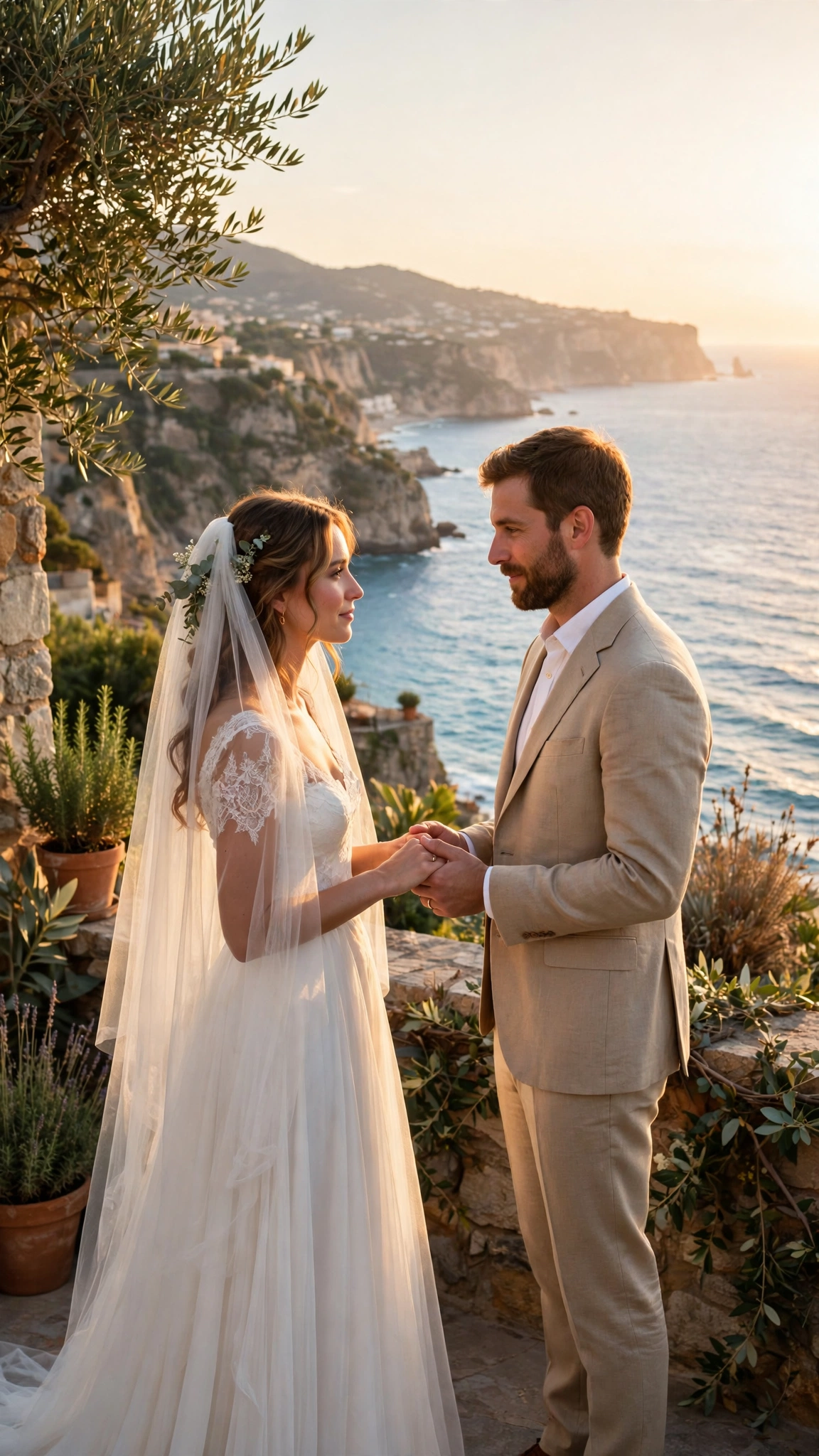
How to Plan a Destination Wedding: 11 Steps From First Sketch to Final Toast
There is a particular confidence in deciding to marry far from home: you are planning a shared trip that contains the most important hour of your lives. If you want to plan a destination wedding that feels relaxed rather than exhausting, the secret is rarely a bigger budget or a fancier resort. It is sequence — do the right things in the right order, and each decision makes the next one easier.
This guide walks you through how to plan a destination wedding in eleven chronological steps, from the first honest money conversation to the timeline you hand your planner on the day itself. Whether you picture a Caribbean beach, a European vineyard or a mountain lodge two flights away, the order holds, because it follows the real deadlines: venue calendars, legal processing times, and guests who must book leave early.
Why a Destination Wedding Is a Different Kind of Planning
A destination wedding compresses everything a home wedding spreads across a dozen suppliers into a place where you probably do not live. That is a reason to be methodical. The guest list is smaller, the celebration stretches across a weekend, and travel becomes part of the event. The couples who plan a destination wedding well settle the immovable things first — money, place, paperwork, date — and let decorative decisions wait until the structure can hold them.
11 Steps to Plan a Destination Wedding, in Order
1. Set the Overall Budget Before Anything Else

Every later debate about destinations, venues and guest numbers is secretly a debate about money, so have the money conversation first, while it is still friendly. Agree a total you could spend without resentment, then divide it between venue and catering, travel and accommodation, attire, photography, and a contingency of around ten percent. You do not need precision yet; you need boundaries — a ceiling lets you check every dream against a number you both trust. Tip: decide now whether you will contribute to guests’ costs; even covering airport transfers reshapes the budget.
2. Choose the Destination Together
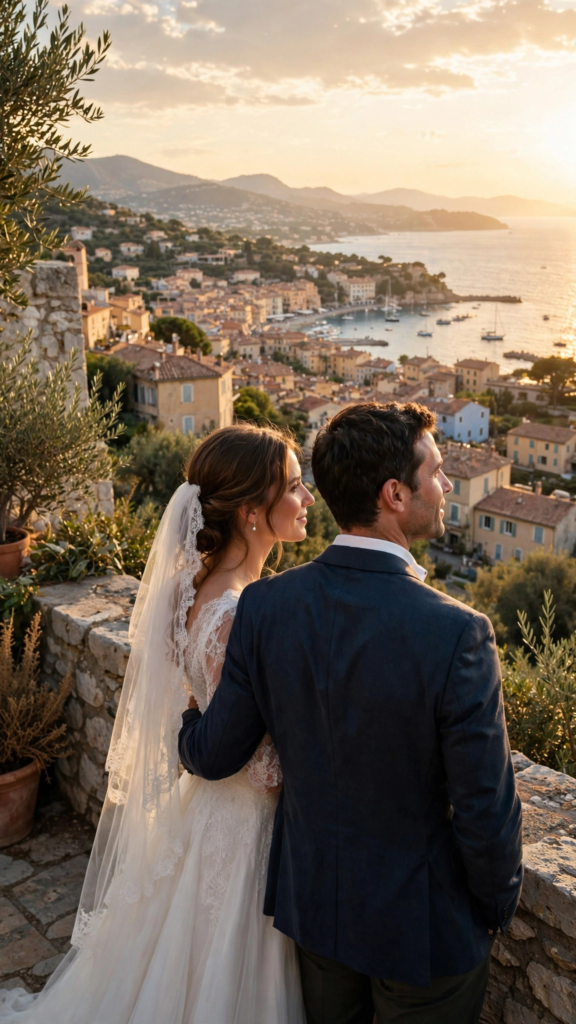
With a budget ceiling set, choosing where to marry becomes a pleasure instead of a fantasy spiral. Shortlist two or three places that mean something to you — somewhere you have travelled together, a coastline one of you grew up visiting — then test each practically: guest flight routes, local costs in your month, and how easy it is to marry there legally. Cold or coastal settings often shape the palette too — the way these ice blue wedding ideas suit a winter celebration. Tip: search each place plus the word “rainfall” for your month before falling further in love.
3. Check the Legal Requirements Early

This is the step couples postpone — and the one that can quietly wreck a timeline. Every country, sometimes every region, sets its own rules: residency periods before the ceremony, documents needing translation or official stamps. Some couples find their dream destination requires arriving a week early; others decide the paperwork is so slow that they sign the legal documents at home and hold a symbolic ceremony abroad — a respectable route many planners recommend. Research this before booking anything non-refundable. Tip: email the local registry office directly and keep their reply; it outranks every blog post.
4. Pick the Date Around Local Seasons, Not Your Calendar
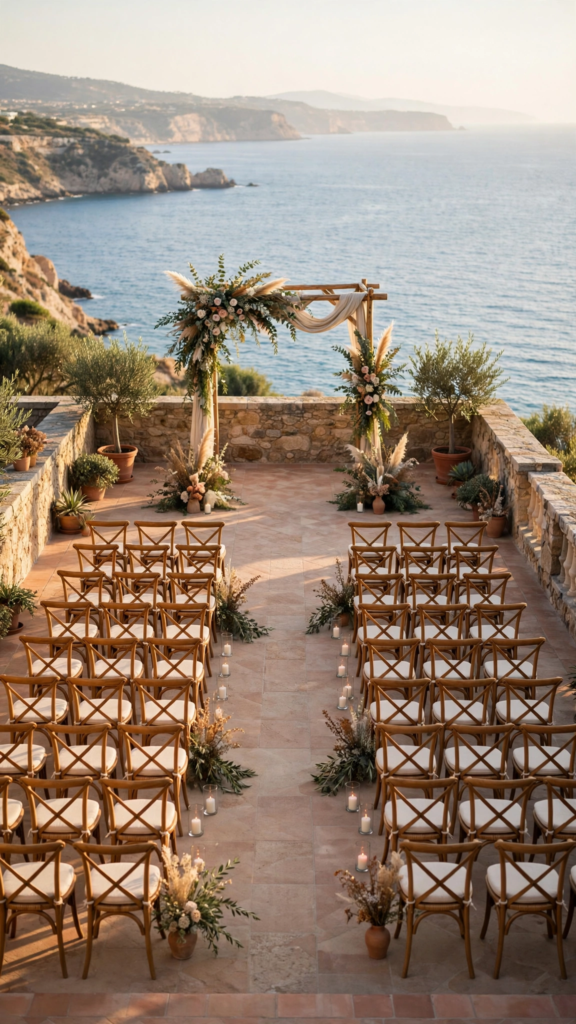
Abroad, let the weather pick the date. Every destination has a season that flatters it and one that fights you: hurricane months in the Caribbean, August heat and crowds in southern Europe, monsoon weeks in parts of Asia. Shoulder season — the weeks either side of peak — usually combines kind weather, available venues and sane prices. Check sunset times too — a golden-hour ceremony photographs like a film still. Tip: avoid local holidays and festival weekends, when flights and hotels spike and the town fills with everyone except your guests.
5. Book the Venue and Lock the Date
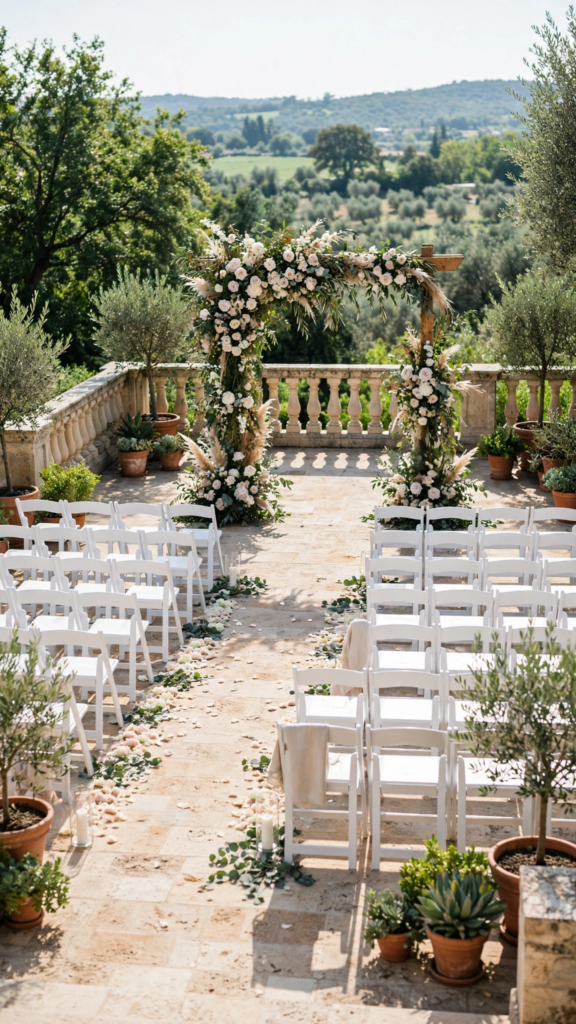
Once place, paperwork and season agree, the venue turns a plan into an event. Shortlist venues that host weddings regularly; experience shows in power supply, rain plans and calm staff. Visit if you can; if not, ask for a live video walkthrough and full galleries of real weddings. Picture the layout as you look: many couples frame their vows with a wedding flower arch echoing the landscape. Get deposit terms, curfew and the weather backup in writing. Tip: ask what happens, hour by hour, if it rains — that answer tells you almost everything.
6. Hire a Local Planner You Genuinely Like
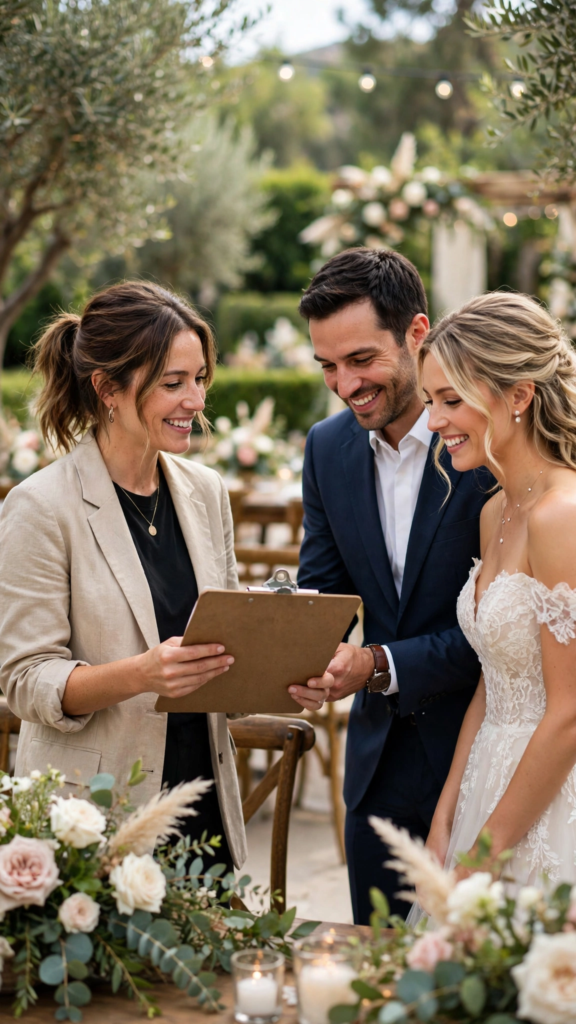
If the budget stretches to one professional, make it a planner based near your destination. A good local planner is translator, negotiator, quality control and emergency service: they know which florist answers emails, which road floods in March, and which official needs documents in duplicate. Interview two or three by video call and notice how they communicate. When you plan a destination wedding across time zones, responsiveness matters more than a glossy portfolio. Agree the scope in writing; full planning and day-of coordination differ greatly. Tip: ask each candidate what went wrong at a recent wedding; the honest answer is the reference that counts.
3 Small Purchases That Make It Easier to Plan a Destination Wedding
None costs much, and each removes a recurring friction: paperwork sprawl, the outfit in transit, and the documents you cannot afford to lose.

- WEDDING PLANNER – Sturdy wedding planner with 126 planning pages and 5 theme tabbed sections, including OVERALL VISION &…
- 5 WEDDING PLANNING SECTIONS WITH TABS- First, FOUNDAMENTALS help you set a solid stone for your wedding with party pages…
- NOTES & PLANS ORGANIZED- The adorable wedding planner book and organizer for the bride and groom is the perfect companio…
A proper planning binder with tabbed sections earns its shelf space within a week. Contracts, receipts, contacts, guest lists and legal documents land in one place, not five inboxes — and clear pockets matter, because foreign registry paperwork never matches home paper sizes.
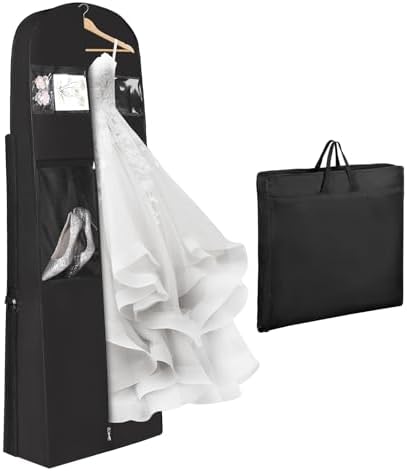
- 【Airplane-Ready Wedding Dress Travel Bag】Designed as a wedding dress travel bag for airplane, this extra-long garment ba…
- 【Long Puffy Dress Size】72″ long wedding dress bag with 12″ gusset has enough space to store wedding dress, giant puffy g…
- 【All-in-One Bridal Accessory Storage 】2 clear PVC pockets can store wedding accessories such as jewelry, veil and cosmet…
Your dress or suit will travel like a member of the family, so give it proper luggage. A long, breathable garment bag made for air travel folds to cabin-approved dimensions, protects beading and lace from snags, and keeps everything crease-light until a final steam on arrival.

- Keep your documents, money & credit cards secure with this RFID-blocking travel wallet & passport holder. Our travel doc…
- Designed with five holders for passports, five credit card slots, a pocket for more than six boarding passes, a zipped p…
- Whether you need a travel wallet, a passport cover, or a gift idea, this case will do the job. Our travel document holde…
One organiser holding both passports, marriage paperwork, insurance details, boarding passes and a pen sounds minor — until a foreign registry office asks for the one certificate sitting in someone’s handbag. Keep it in the same pocket of the same bag all trip, and photograph everything inside it as a phone backup.
7. Build the Rest of Your Vendor Team
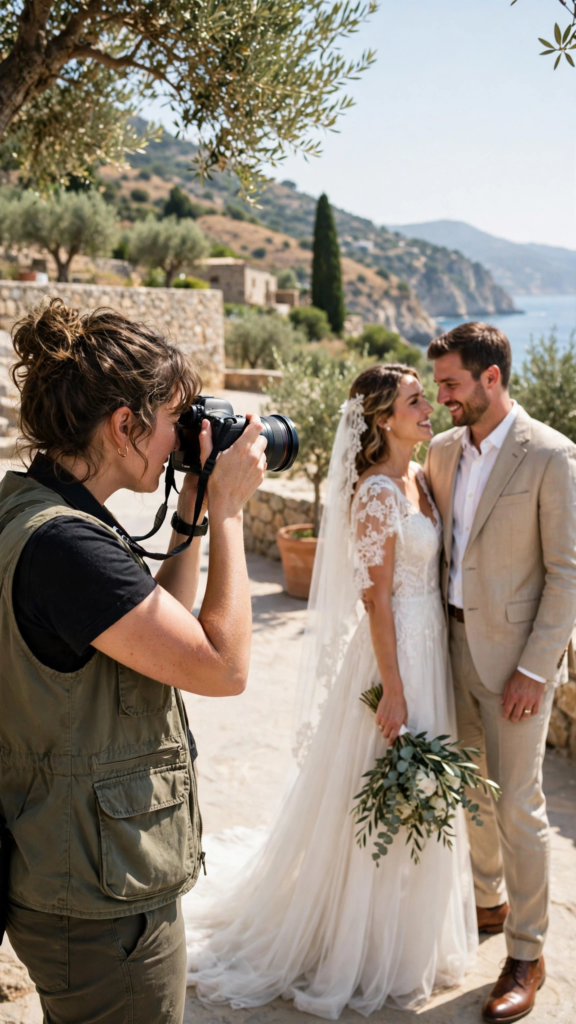
With planner and venue in place, assemble the remaining vendors in the order they sell out: photographer first, then catering if the venue does not provide it, then music, flowers and cake. Your planner’s shortlist is gold, but review full galleries rather than highlight reels. For flowers, seasonal local arrangements cost less and look like they belong; browsing white wedding bouquet ideas helps you brief a florist in a shared visual language, even across a language barrier. Every vendor gets a written contract and a confirmed arrival time. Tip: compare total costs, not day rates — flying in a home vendor means paying their travel too.
8. Organise Guest Travel and Rooms as a Group

Your guests are travelling for you, so remove every avoidable decision from their plate. Negotiate a room block at one or two hotels near the venue — group rates usually start around ten rooms — and cover a spread of price points if your crowd is mixed. Give guests one information source. Tip: state early, in writing, what you pay for and what guests cover — most awkwardness is unspoken expectations meeting an invoice.
9. Send Save-the-Dates and Open a Wedding Website

Destination save-the-dates go out earlier than home ones — nine to twelve months ahead — because guests are booking flights, leave and childcare, not just keeping an evening free. Formal invitations follow at three to four months. A simple wedding website becomes your headquarters: ceremony details, hotel links, airport guidance, dress code, the weekend schedule, and an RSVP form that asks about dietary needs and arrival flights in one breath. Tip: add a short “what to pack” note for your destination’s season; guests love being told whether evenings need a jacket.
10. Plan the Whole Weekend, Not Just the Wedding Day

Guests who have flown across an ocean deserve more than four hours of celebration, and you deserve more time with people you rarely see. Build a gentle arc: a relaxed welcome gathering the evening before and a slow farewell brunch the morning after. Some couples greet guests through a floral tunnel wedding entrance that turns a walkway into the weekend’s first photograph. Leave real gaps too — some guests will treasure an unscheduled afternoon by the pool. Tip: put someone other than you in charge of each extra event, however informally.
11. Write the Day-Of Timeline and a Weather Plan B
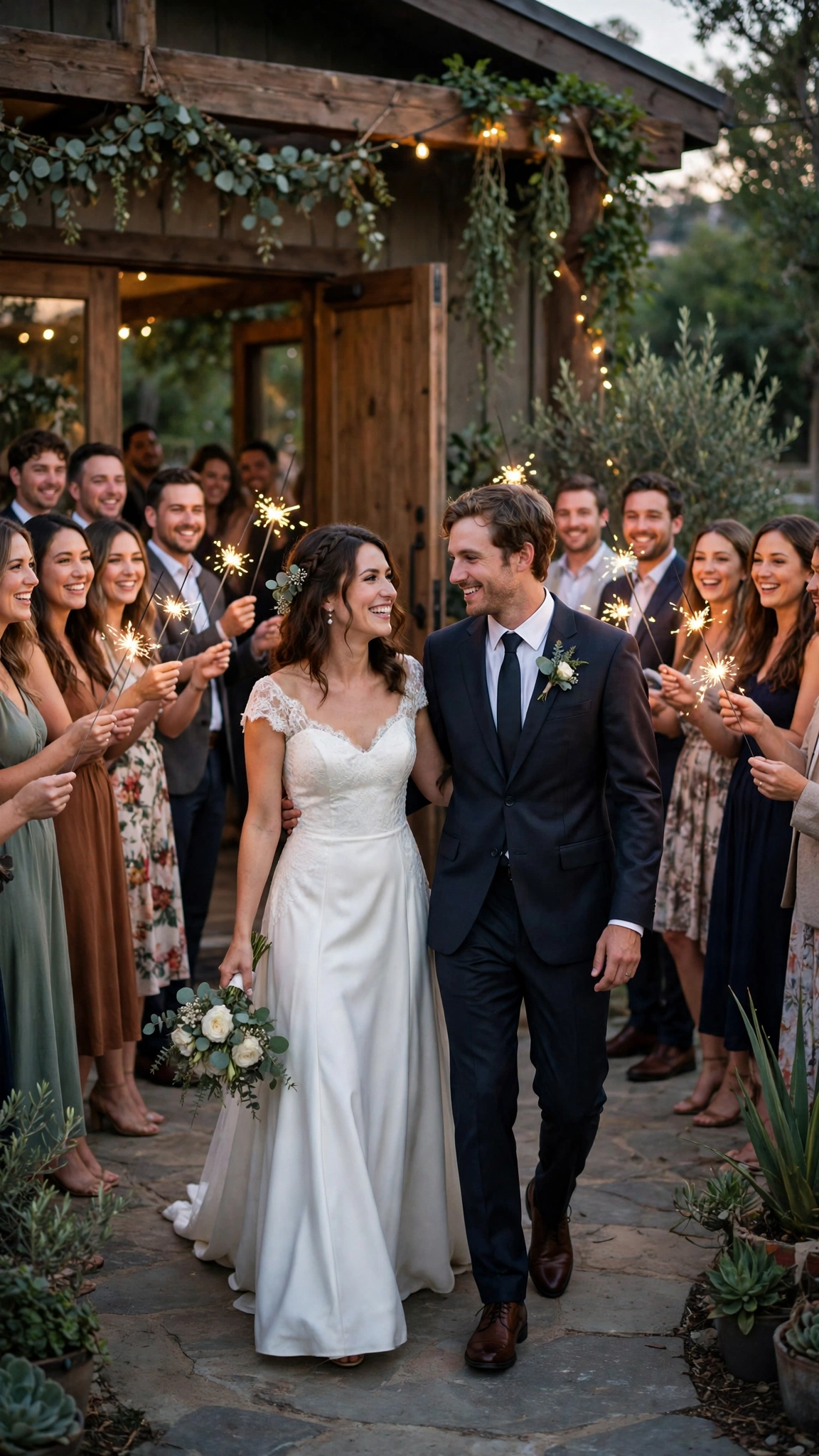
In the final month, turn everything into a one-page timeline: vendor arrivals, hair and makeup, ceremony, photographs, dinner, speeches, dancing, and how everyone gets back to bed. Share it with every vendor and both families, and name one decision-maker — usually your planner — who can adapt it without consulting you mid-vow. Add the weather plan: where the ceremony moves if it rains, and who decides that morning. Couples who plan a destination wedding calmly in the final weeks usually wrote this page early, then stopped tinkering. Tip: split couple photographs into two short windows — golden hour and just after dark — rather than one long disappearance.
Habits That Keep the Whole Process Calm
- Decide once, in writing. Every settled question goes in one shared document; reopening decisions is where stress breeds.
- Batch your planning. One or two focused sessions a week beat a constant drip of messages.
- Respect the time zone. Book calls at hours your vendors can enjoy, and confirm agreements by email.
- Keep the guest list honest. Invite the people who would travel for you anyway — from the heart, not obligation.
- Protect one planning-free day a week. You are organising a wedding, but you are also engaged.
Frequently Asked Questions
How far ahead should we start if we want to plan a destination wedding?
Twelve to eighteen months is comfortable: sought-after venues book a year ahead, legal paperwork can take months, and guests need notice for travel and leave. Organised couples manage in six to nine months with open-calendar venues — same steps, closer together.
Is a destination wedding cheaper than one at home?
It can be, because the guest list shrinks: feeding forty people somewhere beautiful usually costs less than feeding one hundred and fifty at home. But travel, accommodation and scouting trips eat into the saving. Let your Step 1 budget — not optimism — make the call.
Do we have to pay for our guests’ travel and hotels?
There is no rule. Most couples cover the wedding-day events and transfers between venue and partner hotels, while guests pay their own flights and rooms. What matters is stating it plainly and early — on the save-the-date or website — so nobody books under a misunderstanding.
Can we legally marry abroad, or should the ceremony be symbolic?
Both routes work. Marrying legally at the destination means meeting that country’s residency, document and translation rules — which is why Step 3 sits so early in this guide. The symbolic route, a short legal signing at home followed by the ceremony everyone remembers abroad, removes the paperwork pressure entirely.
How many guests usually come to a destination wedding?
Expect a smaller turnout than at home: roughly half to two-thirds of invited guests typically make the trip. Budget and book around realistic numbers rather than the full list, and never take a decline personally — it is almost always logistics, never love.
Final Thoughts
A destination wedding asks more of you in the planning and gives more back in the celebration: a weekend in a beautiful place with your favourite people, instead of one blurred evening. Work the steps in order — money, place, paperwork, date, venue, people — and the day stops feeling like a production and starts feeling like a holiday that happens to contain a wedding. Which is exactly the point.