

11 Mother of the Bride Outfit Ideas That Feel Elegant, Not Matchy or Outdated
Dressing for your child’s wedding comes with a strange kind of pressure. You want to look polished and photograph well, but not outshine the bride. You want to feel like yourself, but the options marketed as “mother of the bride” often skew either too formal and stiff or too safe and forgettable. The good news is the category has loosened up considerably in recent years, and there’s a lot more room to wear something that actually feels like you.
These 11 mother of the bride outfit ideas cover different body types, seasons, and wedding formalities, with practical notes on fit, fabric, and the small details that make an outfit photograph well for the whole day.
A Column Dress in a Rich Jewel Tone

A long, straight-cut column dress in emerald, sapphire, or deep plum reads as elegant and modern without the volume of a ball gown. It suits evening weddings particularly well and photographs beautifully against both indoor and outdoor backdrops.
Jewel tones tend to be more flattering in photos than pastels, since they don’t wash out under flash or fade into a light-colored venue. A column silhouette works best when the fabric has some structure, like a crepe or a matte satin, rather than something clingy. If you’re self-conscious about your midsection, a subtle ruched panel at the waist does a lot of work without looking like it’s hiding anything.
A Tailored Pantsuit
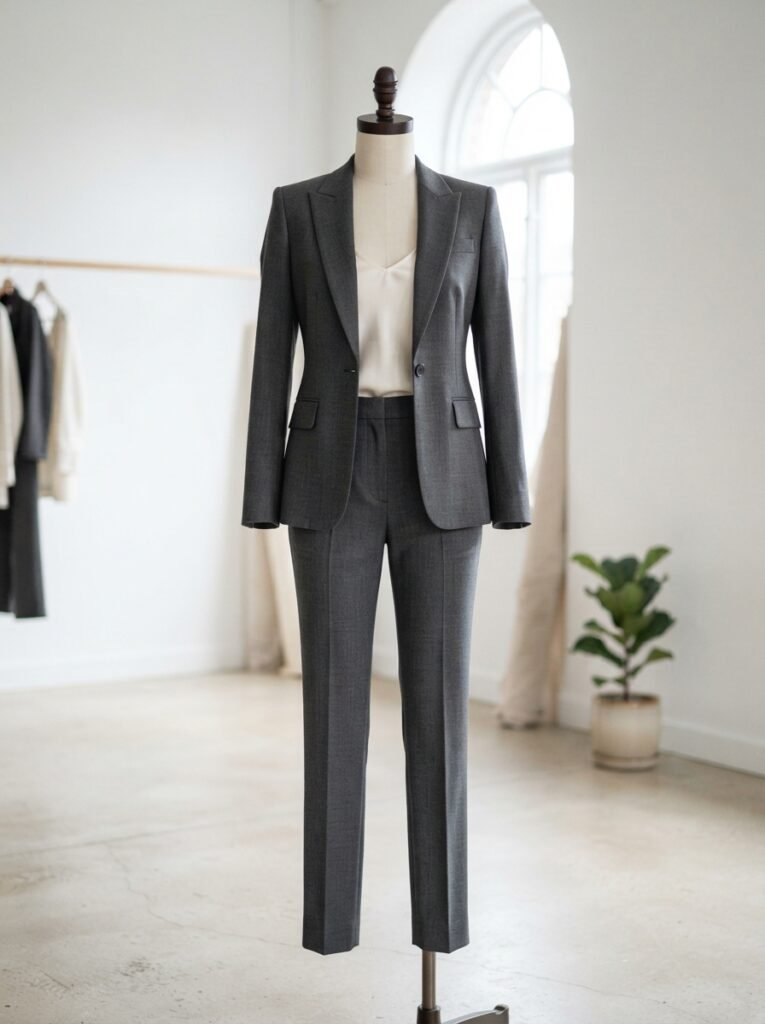
A well-cut pantsuit, in a soft fabric like crepe or a lightweight wool blend, has become one of the more popular choices for mothers who want something polished but want to move freely through a long day of hugging, dancing, and standing for photos. It also sidesteps worries about hemlines and slips entirely.
Fit is everything here. A pantsuit that’s even slightly too boxy can read as masculine rather than elegant, so it’s worth having it tailored rather than buying off the rack and hoping. A silk or satin camisole underneath, instead of a plain blouse, adds a softer, more feminine touch that keeps the look from feeling too corporate.
A Lace Midi Dress for a Daytime Wedding

Lace in a soft color, dusty rose, champagne, or sage, works especially well for daytime or garden weddings, where the texture catches natural light beautifully. A midi length, falling just below the knee or at the calf, feels appropriate for most venues without the formality of a full-length gown.
Check the lining carefully, since cheaper lace dresses sometimes use a lining color that changes the overall tone of the dress in daylight. A three-quarter or long sleeve in lace also tends to look more intentional than a sleeveless cut, and it solves the problem of needing a separate wrap for an outdoor ceremony.
A Two-Piece Set with a Flowing Skirt
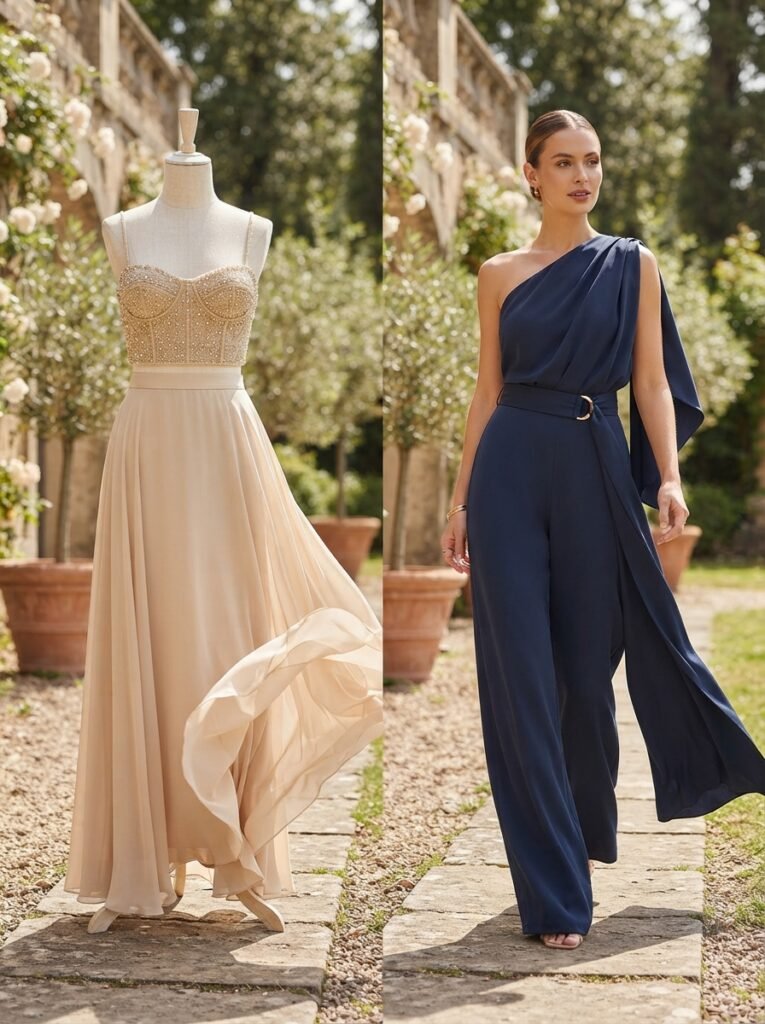
A fitted top paired with a long, flowing skirt, in matching or coordinating fabric, gives you the elegance of a gown with more flexibility for mixing and rewearing the pieces separately afterward. It’s a popular choice for mothers who want something a little less traditional than a single dress.
A high-waisted skirt in chiffon or crepe moves beautifully for photos, especially outdoors with a little breeze. If the top is more fitted or detailed, like beading or a structured neckline, keep the skirt simple so the outfit doesn’t compete with itself. This combination also tends to be more comfortable for a long reception than a fully structured gown.
A Draped Jumpsuit

For a mother who doesn’t usually wear dresses, a well-made jumpsuit in a fluid fabric like crepe or silk offers a sophisticated, modern alternative that still feels appropriate for a formal event. Wide-leg styles tend to photograph more elegantly than fitted ones, since the fabric moves similarly to a skirt.
A jumpsuit needs careful tailoring at the waist and shoulders to avoid looking shapeless, so this is another case where a tailor is worth the investment. Adding a statement belt or a delicate necklace helps define the waistline and keeps the silhouette from reading as too casual for a wedding.
A Soft Pastel Gown for a Formal Evening Wedding

For black-tie or formal evening weddings, a floor-length gown in a soft pastel, blush, lavender, or dusty blue, strikes a balance between elegant and gentle, without competing with a bride in white. Fabrics with a slight sheen, like a soft satin or charmeuse, catch evening lighting particularly well.
Avoid anything too close to ivory or champagne if the bride’s dress is a similar shade, since the two can blend together in photos in a way that’s distracting rather than complementary. Ask the bride directly what colors she’s picturing for her mother and the wedding party, since this avoids any awkward surprises and often makes coordinating with other family members easier.
A Structured Blazer Dress

A blazer-style dress, fitted at the waist with a tailored collar and often falling to the knee or just below, gives a strong, confident silhouette that suits mothers who want something a little more fashion-forward than a traditional gown. It works particularly well for modern, city, or venue-style weddings.
This style photographs best with minimal additional accessories, since the structure of the dress itself is the statement. A single pair of statement earrings and a clutch are usually enough. It also tends to transition well from ceremony to reception without needing a separate outfit change.
A Beaded or Embellished Top with Tailored Trousers
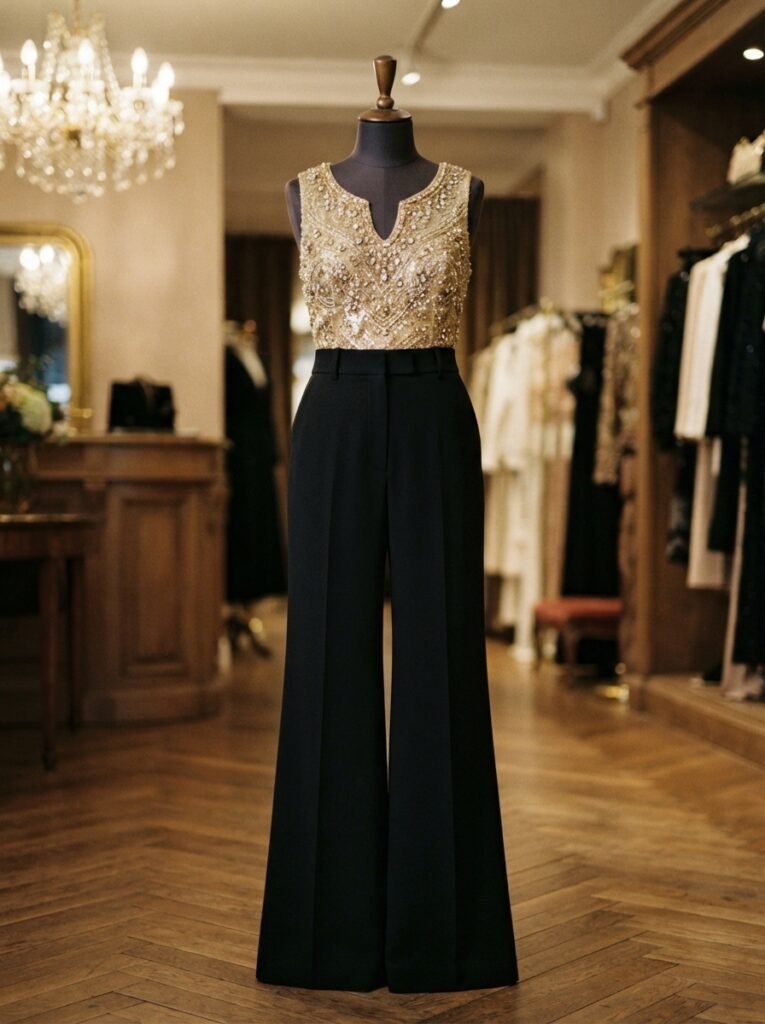
For a mother who wants some sparkle without wearing a full sequined gown, a beaded or embellished top paired with simple tailored trousers in black, navy, or a complementary neutral balances glamour with practicality. It also offers more comfort for dancing than a fitted dress might.
Keep the embellishment concentrated on one area, like the neckline or sleeves, rather than covering the whole top, so the look doesn’t become overwhelming in photos. Trousers with a slight flare or wide leg tend to look more elegant than a straight or skinny cut for formal settings.
A Classic Fit-and-Flare Dress in a Muted Floral
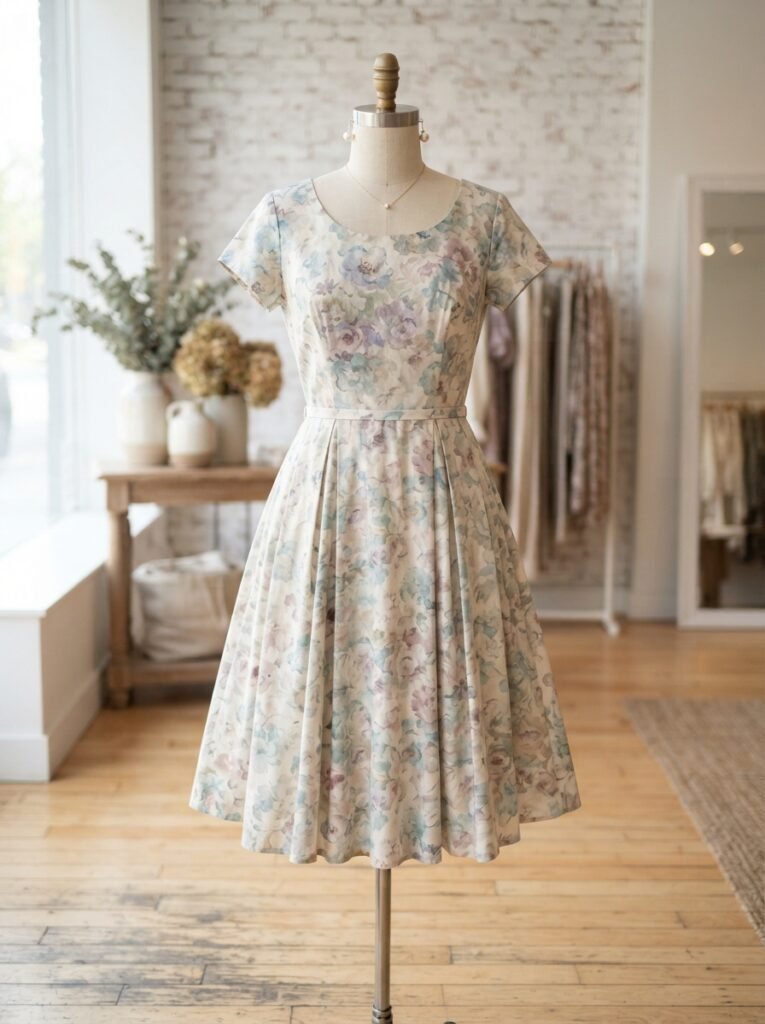
A fit-and-flare silhouette, fitted through the bodice and flaring gently at the waist, suits a wide range of body types and works well for both daytime and early evening weddings. A muted, watercolor-style floral print in soft tones feels more current than the busier, saturated florals once common in this category.
This style photographs well in motion, particularly during dancing or walking shots, since the skirt moves naturally. Choose a floral with a cohesive color story rather than one with too many competing colors, since a busy print can pull focus in group photos.
A Monochrome Look in a Single Elevated Color
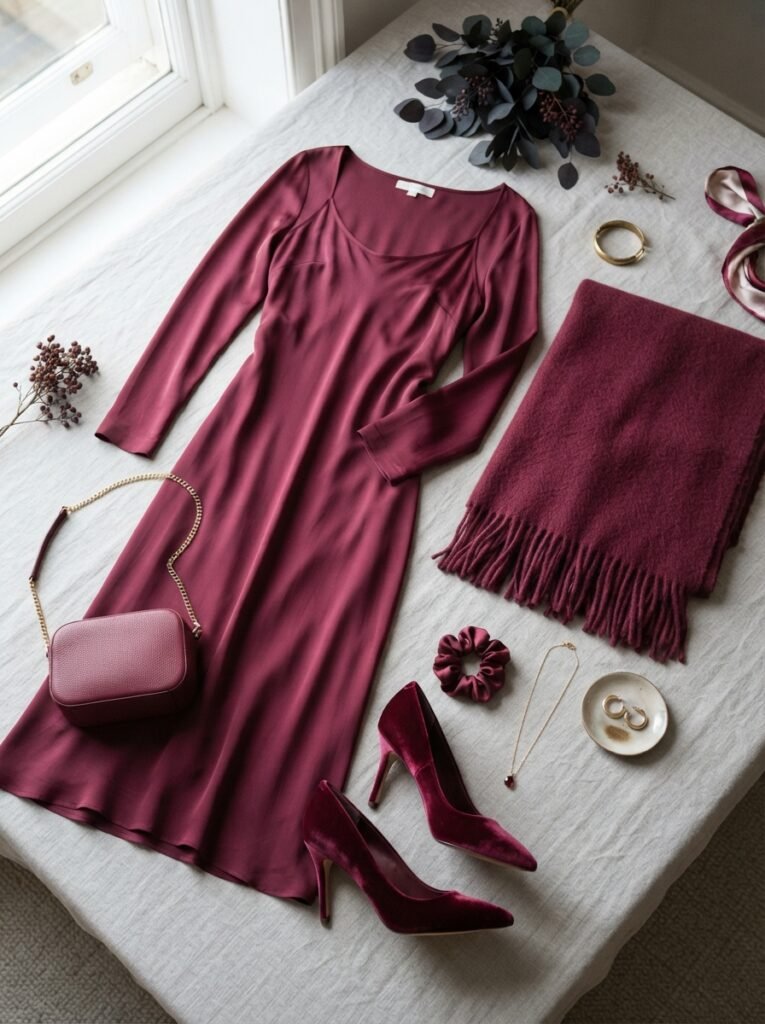
Dressing head to toe in one elevated color, a deep berry, a rich caramel, or a soft taupe, through the dress or outfit, shoes, and even a matching wrap, creates a cohesive, intentional look that reads as more fashion-forward than a typical mother of the bride outfit. It also tends to photograph beautifully against most wedding color palettes.
This approach works best with a color that has some richness or depth to it rather than something flat, since monochrome in a dull shade can read as plain rather than polished. Varying the textures within the same color, like a matte dress with a slightly glossy shoe, keeps the look from feeling one-dimensional.
A Tea-Length Dress with Statement Sleeves

A tea-length dress, falling mid-calf, paired with a sleeve detail like a bell cuff, sheer puff sleeve, or a subtle bishop sleeve, gives an outfit personality without relying on color or print. It suits mothers who want something a little more distinctive but still broadly classic.
This length tends to be especially flattering and comfortable for standing through a long ceremony and reception, and it photographs well for both close-up and full-length shots. Pair it with a low or mid-height heel rather than a very high one if the venue has grass, cobblestone, or uneven ground, since practicality matters as much as style on the actual day.
Choosing the Right Outfit for the Day
Start with the wedding’s formality and venue before anything else, since a gown suited to a ballroom can look out of place at a barn wedding, and vice versa. Coordinate colors with the bride early, both to avoid clashing with her dress and to stay in harmony with the wedding party’s palette, since this conversation is far easier to have months in advance than the week of the wedding.
Beyond color and formality, prioritize comfort for the length of the day. A mother of the bride is usually standing, walking, hugging, and dancing for hours, so fabric that breathes, shoes that are genuinely wearable, and a silhouette that doesn’t require constant adjustment will matter more by the end of the night than it did when trying the outfit on in a quiet fitting room.